
With over 20 years of experience in peptide synthesis, we have advanced peptide synthesis instruments, professional team, and extensive expertise in peptide synthesis and purification processes. Our advanced peptide synthesis platform and quality control system work together to provide clients with high-quality products.
[PR]上記の広告は3ヶ月以上新規記事投稿のないブログに表示されています。新しい記事を書く事で広告が消えます。
Introduction: Peptide synthesis, a pivotal technique in biochemistry and pharmaceutical research, involves the creation of peptides through the stepwise addition of amino acids. This process plays a crucial role in the development of therapeutics, diagnostics, and biochemical probes. In this article, we provide a comprehensive overview of peptide synthesis methods, strategies, and applications.
Peptide Synthesis Methods:
Peptide Synthesis Strategies:
Applications of Peptide Synthesis:
Challenges and Future Perspectives:
Conclusion: Peptide synthesis continues to be a cornerstone of biochemical research and drug discovery. With ongoing advancements in methodology and technology, peptides are poised to play an increasingly important role in addressing diverse biomedical challenges.
Peptides, short chains of amino acids, play a crucial role in various biological processes and hold significant potential in both research and therapeutic applications. Peptide analysis, the study of peptides' composition, structure, and function, has seen remarkable advancements in recent years, driven by innovative technologies and methodologies. In this article, we will explore the latest trends in peptide analysis and discuss its diverse applications in the fields of biology, medicine, and beyond.
Advancements in Peptide Analysis
Applications of Peptide Analysis
In conclusion, peptide analysis continues to evolve as a powerful tool for deciphering the complexity of biological systems and unlocking new therapeutic opportunities. The synergy between experimental techniques, computational methods, and interdisciplinary collaborations is propelling peptide research towards exciting frontiers. As we delve deeper into the realm of peptides, their analysis promises to unravel hidden biological insights and pave the way for innovative solutions in healthcare, biotechnology, and beyond.
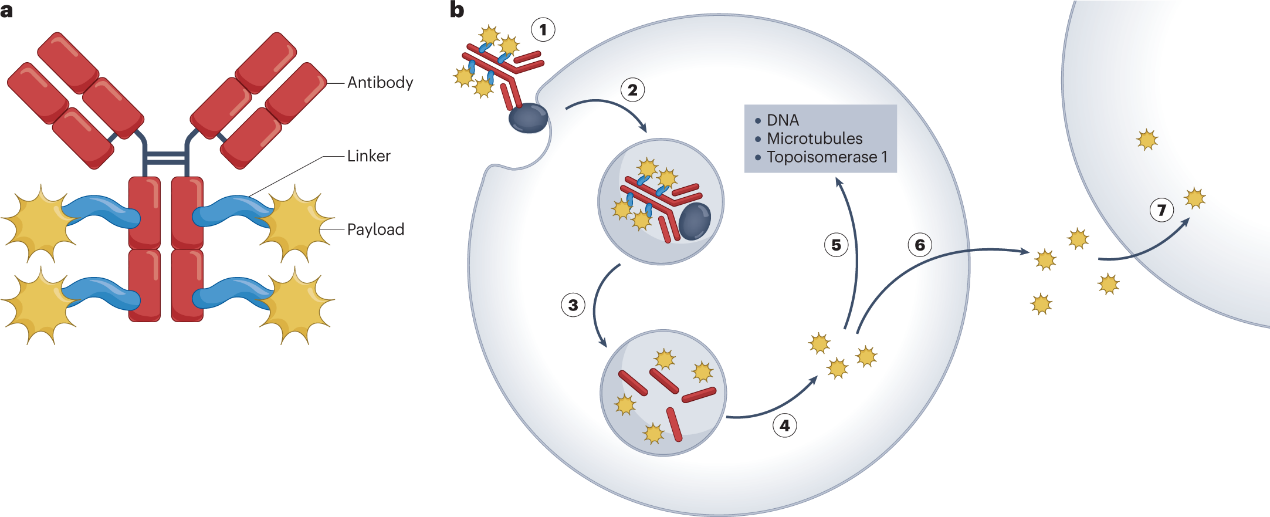
Antibody-drug conjugates (ADCs) are a type of targeted cancer therapy that combines the specificity of monoclonal antibodies with the cytotoxic effects of drugs. Peptide linkers play a crucial role in ADC design, as they connect the antibody and the cytotoxic payload, facilitating controlled release of the drug within the target cells. The choice of linker can impact stability, drug release kinetics, and overall efficacy of the ADC. The choice of a specific linker depends on factors such as the pharmacokinetics of the ADC, the desired release mechanism, and the characteristics of the drug payload. It's crucial to balance stability in circulation with efficient drug release at the target site to maximize the therapeutic effect of the ADC. Additionally, advancements in linker technology continue to contribute to the development of novel and improved ADCs for cancer therapy.
1. Biological Compatibility
Peptide linkers are composed of natural amino acids, which are biocompatible and less likely to induce an immune response. This can contribute to the overall safety profile of the ADC.
2. Specificity and Selectivity
Peptide linkers can be designed to incorporate specific cleavage sites for proteases that are overexpressed in the target cells. This allows for selective drug release within the tumor microenvironment, enhancing the therapeutic window.
3. Stability in Circulation
Peptide linkers can be engineered for stability in the bloodstream, minimizing premature drug release during circulation. This stability is crucial for maintaining the integrity of the ADC and preventing off-target effects.
4. Tunable Pharmacokinetics
The properties of peptide linkers, such as their size and hydrophilicity, can be fine-tuned to influence the pharmacokinetics of the ADC. This tunability allows for optimization of drug delivery and distribution in vivo.
5. Ease of Synthesis
Peptide synthesis techniques are well-established, making it relatively straightforward to design and produce peptide linkers. This ease of synthesis contributes to the scalability and cost-effectiveness of ADC manufacturing.
6. pH Sensitivity
Some peptide linkers can be designed to be pH-sensitive, allowing for drug release in the acidic environment of endosomes or lysosomes within target cells. This pH responsiveness enhances the specificity of drug delivery to cancer cells.
7. Multifunctionality
Peptide linkers can be engineered to have multiple functions, such as facilitating site-specific conjugation, improving solubility, or enhancing overall stability. This versatility contributes to the design of ADCs with optimized properties.
8. Well-Characterized Cleavage Mechanisms:
Proteolytic cleavage of peptide linkers by cellular proteases is a well-characterized biological process. This predictability allows for a better understanding of the drug release mechanism and facilitates rational design of ADCs.
| Product Name | Structure | M.W. | Purity |
| Fmoc-val-cit-PAB-OH | 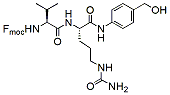 |
601.7 | 96% |
| Boc-Val-Cit-PAB | 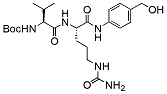 |
644.7 | 98% |
| MC -Val-Cit | 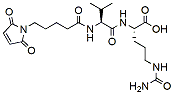 |
453.5 | 98% |
| MC-Val-Cit-PAB-Gly | 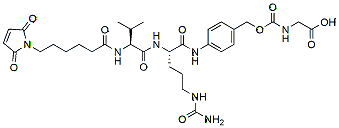 |
673.7 | 95% |
| Alkyne-Val-Cit-PAB-OH | 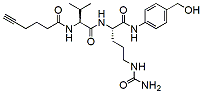 |
473.6 | 98% |
| SPDP-Val-Cit-PAB-OH | 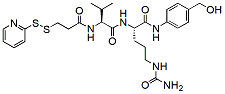 |
576.7 | 98% |
| Fmoc-PEG2-Val-Cit-PAB-OH | 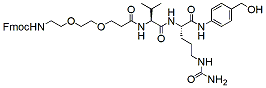 |
760.9 | 95% |
| NH2-PEG3-Val-Cit-PAB-OH | 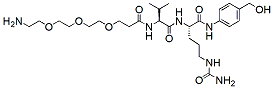 |
82.7 | 95% |
| Mal-PEG2-Val-Cit-PAB-OH | 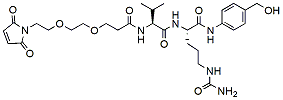 |
618.7 | 95% |
| Mal-Amide-PEG4-Val-Cit-PAB-OH | 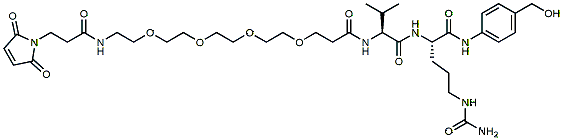 |
777.9 | 95% |
| Azido-PEG3-Val-Cit-PAB-OH | 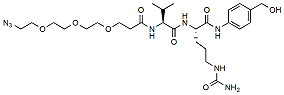 |
608.7 | 96% |
| Azido-PEG4-Val-Ala-PAB |  |
566.7 | 95% |
| MC-Val-Ala-OH | 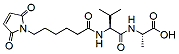 |
381.4 | 95% |
| Mal-PEG4-Val-Ala-PAB |  |
620.7 | 95% |
| Boc-PEG4-Val-Ala-PAB |  |
640.8 | 95% |
| Fmoc-PEG4-Val-Ala-PAB |  |
762.9 | 95% |
| Mal-amido-PEG8-val-gly-PAB-OH |  |
854.0 | 95%/td> |
| Fmoc-Gly-Gly-Phe-Gly-OH | 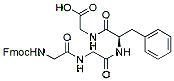 |
558.6 | 95% |
| Gly-Gly-Phe-Gly | 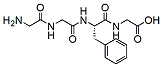 |
336.4 | 95% |
| Mal-Gly-Gly-L-Phe-N-[(carboxymethoxy)methyl]Glycinamide | 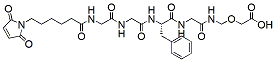 |
616.6 | 95% |
| Mal-PEG8-Gly-Gly-L-Phe-N-[(carboxymethoxy)methyl]Glycinamide |  |
927.0 | 95% |
| MC-Gly-Gly-Phe-Gly | 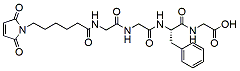 |
529.6 | 98% |
| NH2-Glu-Gly-Cit-PAB-OH | 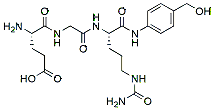 |
466.5 | 95% |
| Fmoc-PEG4-Glu-Gly-Cit-PAB-OH | 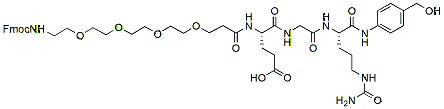 |
935.43 | 95% |
| NH2-Sar10-COOH |  |
728.81 | 98% |
| Fmoc-NH2-Sar10-COOH |  |
951.05 | 98% |
Recently, good news about the GLP-1 weight loss drug semaglutide (trade name: Wegovy) has come one after another. It is said that on March 7, 2023, Novo Nordisk revealed at its "Capital Markets Day" event that Wegovy is expected to be approved for listing in China this year. Subsequently, the US FDA announced on March 8 that it had approved Wegovy's new indication - to reduce the risk of cardiovascular death, heart attack and stroke in adults with cardiovascular disease and obesity or overweight.
Two studies reported last week at the Retrovirus and Opportunistic Infections Conference in Denver, Colorado, showed that the weight-loss drug semaglutide may help improve the health of HIV patients by reducing the number of infections associated with antibiotics. Retroviral treatment was associated with weight and fat accumulation and also reduced their chronic inflammatory response.
Among people living with HIV, the number of people who are overweight or obese is increasing, sparking interest in drugs like semaglutide among affected patients and doctors. However, so far, few studies have looked at the impact of these best-selling weight-loss drugs on HIV-infected people.
Semaglutide is a type of GLP-1 receptor agonist developed by Novo Nordisk. It controls appetite by simulating glucagon-like peptide 1, thereby achieving blood sugar lowering and weight loss. The drug is called Wegovy when used to treat obesity and Ozempic when used to treat diabetes.
Although the incidence of obesity in people with HIV is similar to trends in the general population, certain antiretroviral therapies used to suppress the HIV virus may contribute to weight gain and related morbidity in these patients. In addition, antiretroviral therapy is associated with abnormal fat accumulation, a metabolic-related fatty liver disease that affects approximately 30% to 40% of HIV-infected individuals. As the disease progresses, it can lead to liver failure and cardiovascular disease.
People with HIV are susceptible to more severe fatty liver disease, and there are currently no approved drugs to treat this condition.
Recent research data shows that among 222 HIV-infected patients treated with semaglutide, these patients lost an average of 6.5 kilograms in approximately one year, equivalent to 5.7% of their initial body weight.
At the Conference on Retroviruses and Opportunistic Infections, Jordan Lake of the University of Texas Health Science Center at Houston reported on the effectiveness of weekly injections of semaglutide for about six months in HIV patients with metabolic dysfunction-related fatty liver disease. The effectiveness of treatment in infected people. The study results showed that 29% of patients experienced complete remission of fatty liver disease. Jordan Lake noted that the study observed a significant reduction in patients' abnormal accumulation of liver fat, even over a short period of time.
The study also found that patients who received semaglutide experienced a decrease in muscle mass, with individuals aged 60 and older being most affected. Older HIV-infected individuals are more susceptible to semaglutide-related muscle loss and require close monitoring by their healthcare provider. It is worth noting that despite the success of GLP-1 weight loss drugs, more and more companies are beginning to focus on muscle-building therapies to combat the loss of muscle mass that may be caused by rapid weight loss.
In addition, there was a report at the Retrovirus and Opportunistic Infections Conference on the use of semaglutide in the treatment of lipohypertrophy in HIV patients. The disease is primarily characterized by abdominal fat accumulation, accompanied by increased inflammation and increased cardiometabolic risk. Current treatments for this disease are limited and ineffective.
In the report, Allison Eckard of the Medical University of South Carolina conducted a clinical trial in HIV-infected people with fatty liver disease. The results showed that semaglutide helped reduce abdominal fat accumulation in patients, and that patients who used semaglutide had nearly 40% lower levels of the inflammatory blood marker C-reactive protein than those who did not use it. This may have important positive consequences for people living with HIV, as even people living with HIV in good disease status may develop a chronic inflammatory state, and this increased inflammation may contribute to various end-organ diseases, including cardiovascular disease, and may Affects liver, kidneys, brain and cognitive function.
Comprehensive recent clinical studies show that semaglutide not only helps HIV-infected patients lose weight, but also reduces their fat accumulation and related chronic inflammation. This suggests that people living with HIV may be the latest group to benefit from GLP-1 weight-loss drugs. If the therapeutic efficacy of these early clinical studies is confirmed, GLP-1 weight loss drugs such as semaglutide may be key to controlling the metabolic problems often caused by HIV treatment.
Reference: https://www.nature.com/articles/d41586-024-00691-8
Peptides, short chains of amino acids, play a crucial role in various biological processes and have emerged as promising candidates for therapeutic and diagnostic applications. The increasing demand for peptides has led to the growth of peptide companies specializing in peptide synthesis, manufacturing, and development. In this article, we will delve into the world of peptide companies, exploring their innovations and applications that are shaping the landscape of modern healthcare and biotechnology.
Peptide companies utilize a range of synthesis technologies to produce custom peptides tailored to specific research or therapeutic needs. Solid-phase peptide synthesis (SPPS) is one of the most widely used methods for peptide production, allowing for efficient and controlled synthesis of peptides with high purity levels. Liquid-phase peptide synthesis and recombinant DNA technology are also employed by peptide companies to create complex peptides and peptide libraries for drug discovery and development.
In recent years, advancements in peptide synthesis technologies have enabled the production of longer and more structurally diverse peptides, expanding the possibilities for peptide-based therapeutics. Companies specializing in peptide synthesis have invested in automated systems and high-throughput platforms to streamline the synthesis process, improve efficiency, and reduce costs, thereby accelerating the development of novel peptide drugs and research tools.
Peptides have gained significant attention in the pharmaceutical industry due to their high specificity, low toxicity, and diverse biological activities. Peptide therapeutics offer a promising alternative to traditional small molecule drugs, particularly in the treatment of diseases with complex molecular targets such as cancer, metabolic disorders, and autoimmune diseases.
Peptide companies are actively engaged in the development of peptide-based therapeutics targeting a wide range of conditions. For example, peptide hormones such as insulin and glucagon-like peptide-1 (GLP-1) analogs are used in the management of diabetes, while peptide antimicrobial agents are being explored as potential alternatives to conventional antibiotics. Peptide vaccines, immunomodulators, and cell-penetrating peptides are also under development for various therapeutic applications.
Furthermore, peptide-drug conjugates and peptide-targeted delivery systems are being investigated to improve the pharmacokinetics and tissue targeting of peptide drugs, enhancing their efficacy and reducing potential side effects. Peptide companies are at the forefront of developing innovative drug delivery technologies that leverage the unique properties of peptides to enhance therapeutic outcomes and patient compliance.
The field of peptide research is constantly evolving, driven by advancements in molecular biology, bioinformatics, and structural biology. Peptide companies are increasingly focusing on novel areas of research such as peptide engineering, bioconjugation, and peptide mimetics to expand the capabilities of peptides in drug discovery and development.
Peptide engineering involves the design and modification of peptide sequences to enhance their stability, bioavailability, and target specificity. By incorporating non-natural amino acids, cyclic structures, or structural motifs, researchers can create peptides with improved pharmacological properties and therapeutic potential. Peptide companies are investing in computational tools and high-throughput screening technologies to accelerate the discovery of optimized peptide candidates for clinical development.
Bioconjugation techniques enable the conjugation of peptides with other molecules such as drugs, imaging agents, or nanoparticles to create multifunctional therapeutics with enhanced properties. Peptide companies are exploring the use of bioconjugation strategies to improve the stability, targeting specificity, and delivery of peptide-based drugs, opening new avenues for personalized medicine and precision therapeutics.
Peptide mimetics are synthetic compounds designed to mimic the structure and function of natural peptides while offering advantages such as enhanced stability and bioavailability. Peptide companies are harnessing the principles of peptide mimetics to develop novel drug candidates with improved pharmacokinetic profiles and target selectivity, addressing challenges associated with peptide degradation and clearance in vivo.
Peptide companies play a vital role in advancing peptide-based research and innovation, driving the development of novel therapeutics and research tools with diverse applications in healthcare and biotechnology. By leveraging cutting-edge synthesis technologies, exploring new therapeutic modalities, and embracing emerging trends in peptide research, these companies are at the forefront of revolutionizing the field of peptide science.
As the demand for peptide therapeutics continues to grow, peptide companies will play a pivotal role in translating scientific discoveries into clinical applications, ultimately improving patient outcomes and transforming the landscape of modern medicine. With a deep commitment to excellence, innovation, and collaboration, peptide companies are poised to shape the future of healthcare through the power of peptides.